Room to Grow, Reasons to Stay
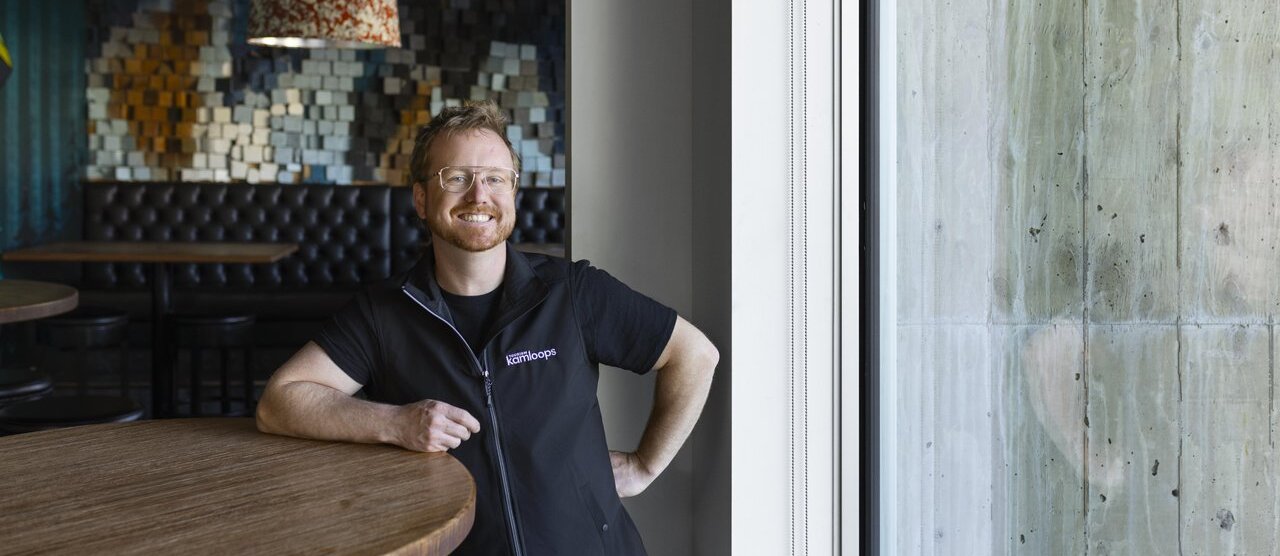
I've spent the last 17 years building businesses, events, and community in Kamloops, and that experience has shaped how I think about the city's future. As Kamloops grows into something bigger than the city many of us first arrived in, the opportunity isn't to stop change—it's to build the kinds of places, investments, and public spaces that make that growth worth embracing.
By Mitchell Forgie, Destination Development Manager, Tourism Kamloops
Part 3 of 8 in the "What Tourism Builds For Us" series
I moved to Kamloops in 2009. I was young, I'd come through Edmonton and London, and I was still figuring out what I was looking for in a city. Within a few years of arriving, I started a restaurant. A few years later, I started a beer festival. In our second year of Brewloops, we put up a ferris wheel in our North Shore parking lot and had bands playing.
The reason we could do that in Kamloops is the same reason I still live here. In a city this size, you know your city councillors by name. When people get excited about an idea, it doesn't take long before it's actually happening. When the Kamloops community gets behind an idea, it gets built. That connection and community is one of our most underrated assets.
I've spent over a decade building things in this city, and I took on the role of Destination Development Manager at Tourism Kamloops because I think we're at a tipping point. Kamloops isn't 80,000 people anymore. We are growing into a City with traffic, and bigger city challenges. It's not going back to what it was. And the question isn't whether the city changes. It's whether we're deliberate about how it does. There is alot of opportunity that comes with growing too.
My job, at its core, is placemaking. The industry term sounds technical, but the idea is simple: what do people picture when they picture your city? You see the Eiffel Tower and you know you're in Paris. You see the Brandenburg Gate and you're in Berlin. For a long time, Kamloops has answered that question with nature, and rightly so. Our hills, our sunsets, our trails. The geography does the work, and we have some of the best in the country. But a city's identity can hold more than one thing, and we're ready to build on that. My focus is on the urban places in our city. Its streets, and hopefully soon, plaza and squares.
When people ask about big tourism investments, the conversation often jumps straight to visitors. For me, it starts with the people who already live here. The first question I ask is: what's the local business case? When you have friends and family visit, what do you take them to do? The best tourism infrastructure earns its keep by serving residents first. Transit connections, public gathering spaces, year-round programming. When those things work for the people who live here, they work for everyone who visits. That's where the business case has to start.
I hear the concern from long-time residents. A city that's growing and changing can feel like it's leaving something behind. I don't dismiss that. Those concerns are usually correct in their assessment of what's actually happening. Change is real - and it happens with or without design. But here's the thing I keep coming back to: the value of the land under your house didn't go up because of anything you did alone. It went up because of everyone who built this city around you. Every school, every trail, every event, every business that opened. Prosperity is collective. The prosperity we benefit from today is in the investments, the risks, the big ideas of yesterday. It is our responsibility to keep taking risks, making investments and moving on big ideas.
Johann Vincent
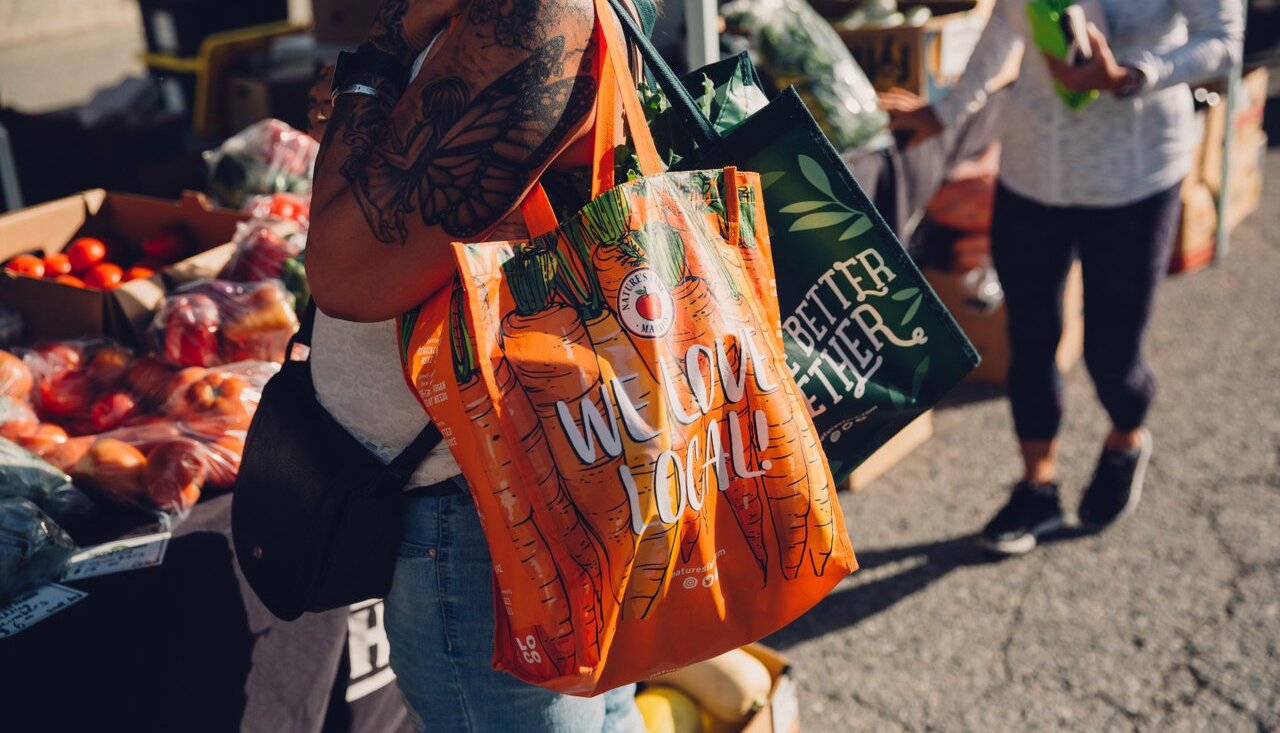
What Kamloops is really missing right now is a great hardscape pedestrian public space. We have some of the best access to nature of any city in Canada. But our urban infrastructure is lagging. We don't have the downtown plazas or the permanent riverfront event space that a city like ours needs to host the kinds of gatherings that build identity. We host our Farmers Market in a mish-mash of field and a temporarily closed side street downtown, rather than in an intentional public space. Many suitable locations could certainly be that space - we could invest in it, enclose it, provide power, water, and benches. These investments are winners - it is why private developments like Sun Peaks or District 1881 in Chilliwack build them into their private developments on purpose. It is sad that public spaces province wide are being better made, better programmed, by private companies than by our public bodies. I hope to help change that here in Kamloops.
Cities like Portland and Edmonton and Chilliwack, places that weren't supposed to be cool, became cooler because residents decided they were worth investing in, taking risks. That belief, that we can build something here worth staying for, is what changes a city's story. It doesn't start with outside capital. It starts with people who live here deciding they want this place to be as good as it can be. Believing our own hype, drinking our own Kool-Aid. Kamloops is super rad.
Tourism investment is one of the clearest ways to fund that work. British Columbia has some of the lowest income tax rates in Canada and some of the highest sales tax. That's a deliberate political choice, because so much of our provincial prosperity comes from people who travel here and spend their money here. They help pay for our roads and our hospitals and our parks. Building the kind of city that attracts those visitors also builds the kind of city that residents choose to stay in.
Mitchell Forgie is the Destination Development Manager at Tourism Kamloops.
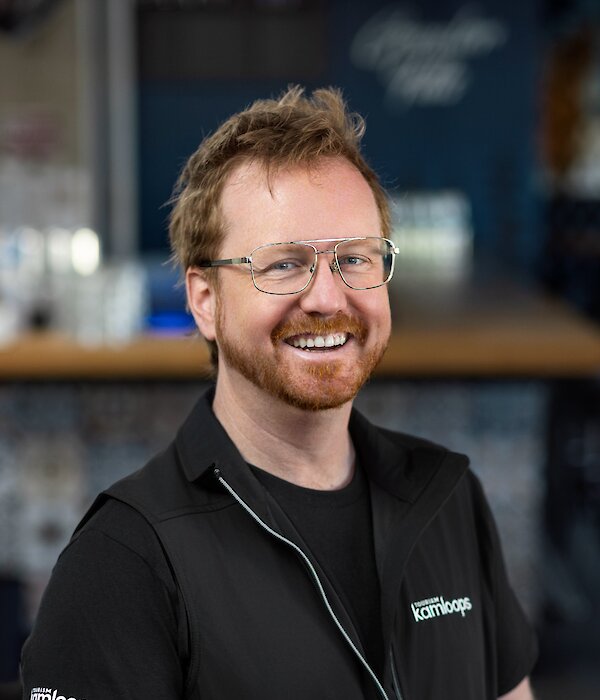
Author: Mitchell Forgie
Mitchell leads destination development, from placemaking initiatives to implementing projects and strategies that improve infrastructure and experiences for visitors.