Building Kamloops' New Icon - The Case for a Tower and Adventure Park
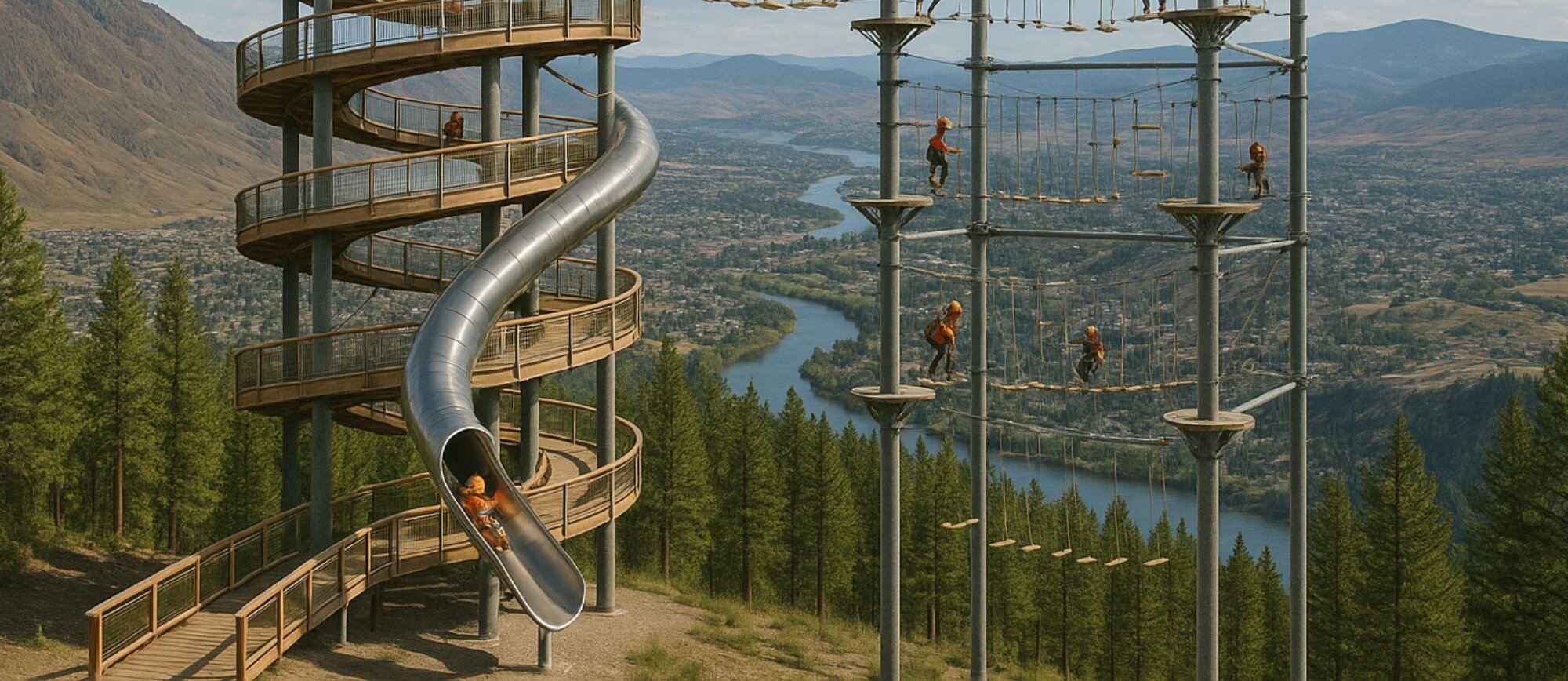
Generated by AI
The 60-year gap
Here's an interesting stat: it's been 60 years since Kamloops built a purpose-built landmark attraction. Sixty years. That's a long runway, and now we're ready for takeoff.
Here's an interesting stat: it's been 60 years since Kamloops built a purpose-built landmark attraction. Sixty years. That's a long runway, and now we're ready for takeoff.
Our population has nearly doubled in that time. Nearly 2 million people drive through our city annually. We sit at the intersection of the TransCanada Highway and the Coquihalla, surrounded by mountains, with some of the best mountain biking in North America in our backyard. The foundation is set. Now it's time to build a new attraction.
Why the long gap? Landmark attractions are complex. They require multiple stakeholders to align. They need patient capital and creative problem-solving around land use, environmental considerations, and regulatory frameworks that weren't built with visitor experiences in mind.
Here's what we've learned over two years of intensive destination development work: that complexity is actually an advantage. Easy projects get built everywhere. Complex ones create something unique.
Why towers work
An iconic tower creates a visual anchor. It shifts perception. The Calgary Tower put Calgary on the map before the Stampede. The CN Tower became synonymous with Toronto. The Space Needle is Seattle. These structures do more than offer views. They become symbols that say "this place matters."
In Kamloops, we have the landscape, the adventure culture, and the visitor volume. What we need is that defining structure. Something that puts us on the mental map as a destination, not just a stopover.
The tower concept we're advancing combines observation with adventure programming: ziplines, ropes courses, climbing elements, event space. This design serves multiple audiences and generates multiple revenue streams. Families during the day, corporate events in the evening, adventure seekers year-round. This diversification matters in mid-market destinations where you need local usage to maintain operational viability alongside tourist volumes.
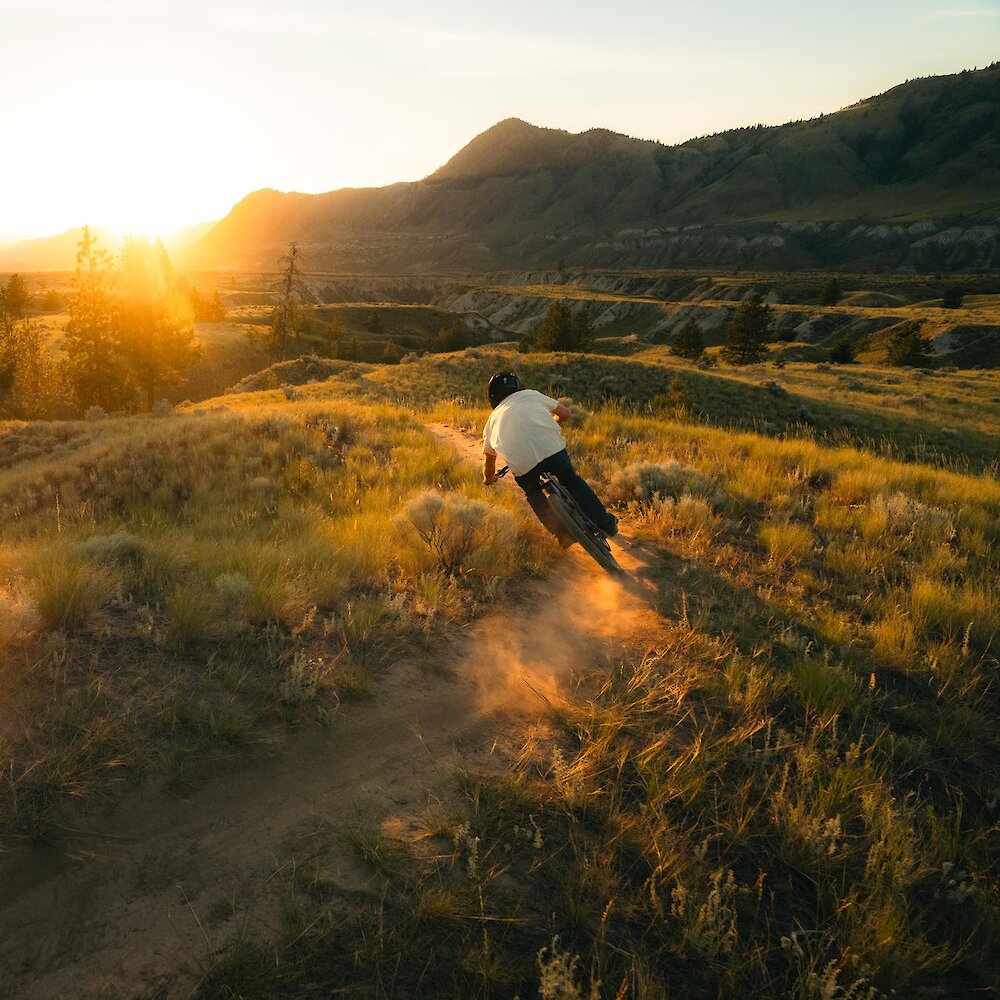
Kamloops Bike Ranch
Dylan Sherrard
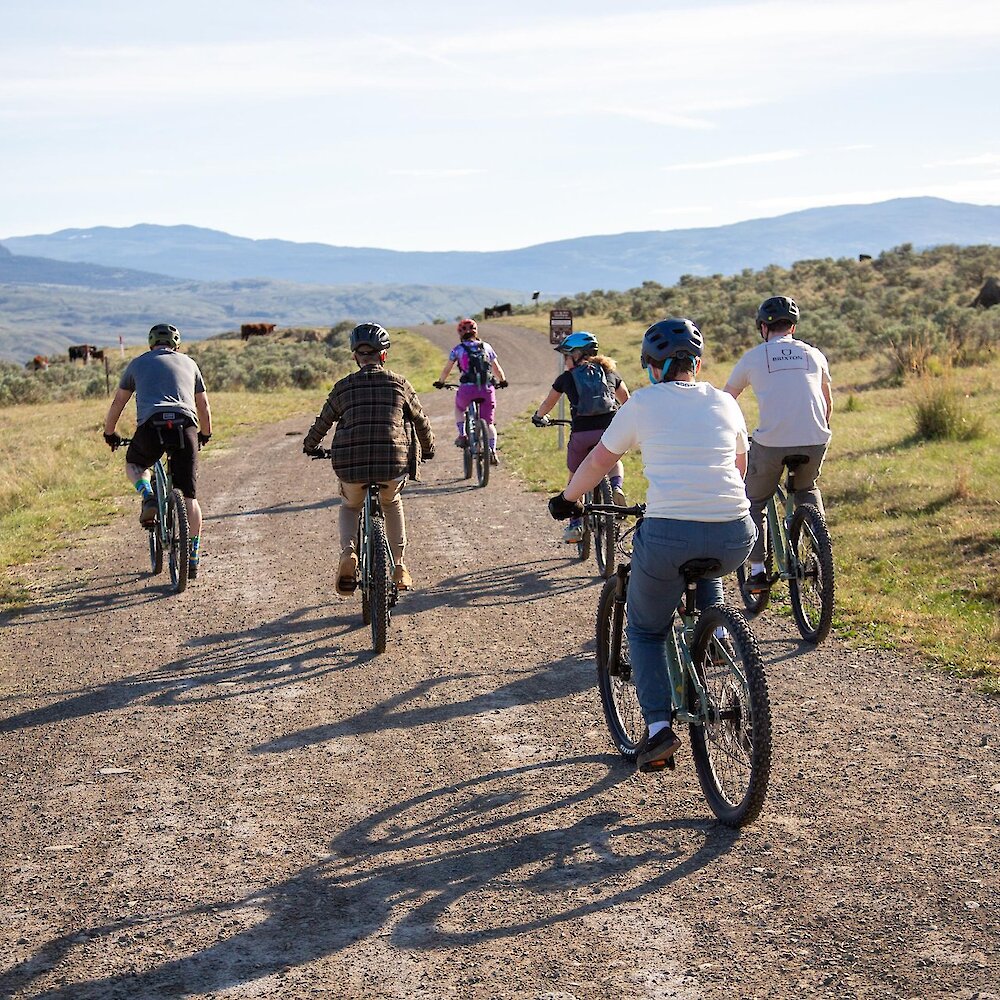
Lac Du Bois Grasslands
Andrew Snucins
The mountain biking multiplier
Kamloops has quietly become one of North America's premier mountain biking destinations. The Bike Ranch alone features over 80 trails across 800 acres. Recent research from Larose Research & Strategy and Pacific Analytics shows the scale: Kamloops' trails welcome over 104,000 riders per bike season, including 40,000 from out-of-town, generating $7 million in direct visitor spending and $18 million in total regional economic impact.
Mountain biking is our calling card, and it brings passionate, dedicated visitors. But even the most devoted riders want variety during a multi-day stay. Partners want options beyond the trails. Families need activities for different ages and abilities.
An adventure park adjacent to or integrated with our trail systems creates that variety while amplifying what we're already known for. It gives people more reasons to stay longer and expands who can enjoy what Kamloops offers. When 90% of riders say they'd recommend Kamloops as a mountain biking destination, adding complementary adventure infrastructure helps convert that enthusiasm into longer stays and broader appeal.
Investment readiness as competitive advantage
The biggest barrier to landmark attraction development is usually complexity rather than capital. Developers and operators can find money for good projects. What they struggle to find is the time or local expertise to navigate unfamiliar regulatory environments, build relationships with multiple interest holders, and avoid the two-to-five-year approval timelines that kill project economics.
This is why Tourism Kamloops has spent the past two years becoming investment-ready. We've mapped out potential sites. We've engaged with the City, the province, and First Nations partners. We've conducted market feasibility studies with CBRE. We've built relationships with Destination BC and aligned our projects with provincial tourism strategy.
When a developer or operator engages with us on the tower concept, they join a process already in motion, with a team ready to act as a concierge service through planning, approvals, and launch. In competitive markets where Alberta is actively courting tourism investment, this speed-to-market advantage is critical.
Building for the next 60 years
Tourism infrastructure has longer lifecycles than almost any other commercial development. Done right, these projects serve multiple generations and become part of a place's permanent identity. The BC Wildlife Park opened in 1965 and remains one of our most beloved assets
When we talk about an iconic tower and adventure park, we're thinking 60 years ahead. We're building something our grandchildren will enjoy, something that will drive economic benefit for decades, something that becomes part of what defines Kamloops.
The 60-year gap is ending. The question now is: who's ready to build what comes next?
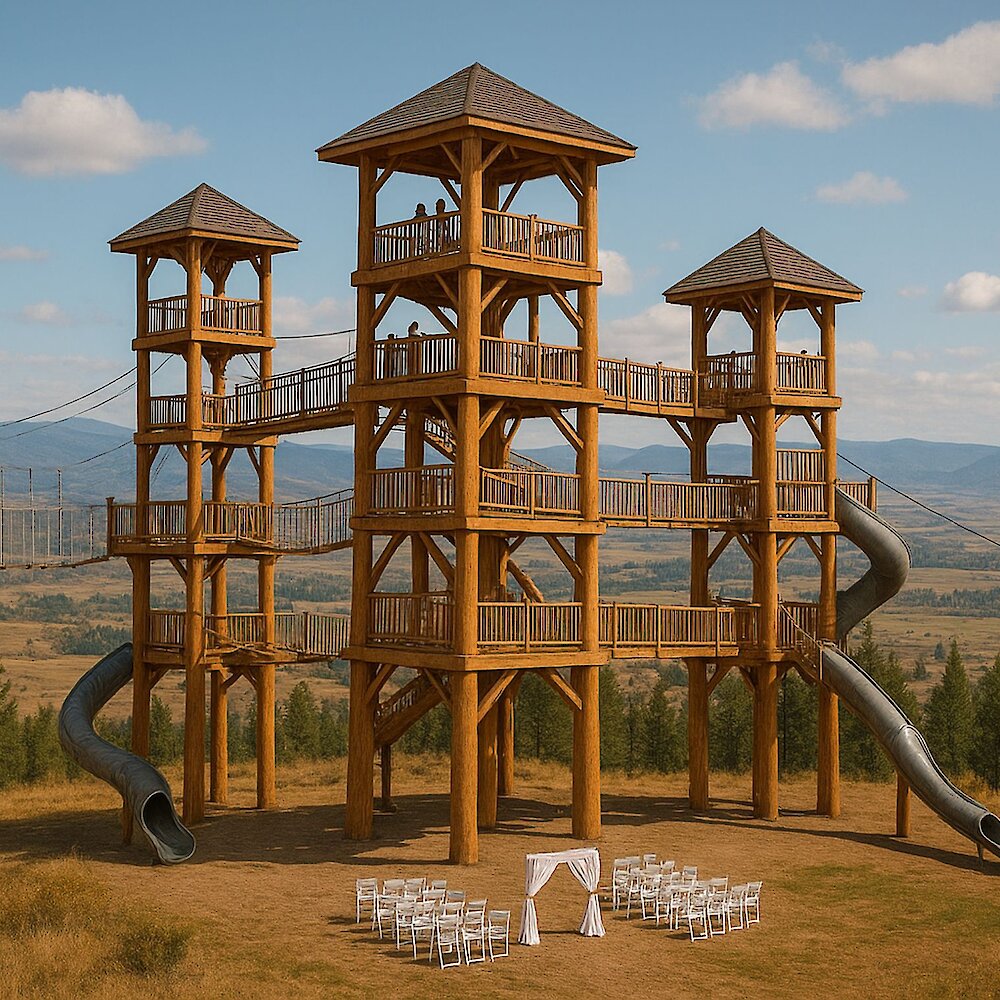
Generated by AI
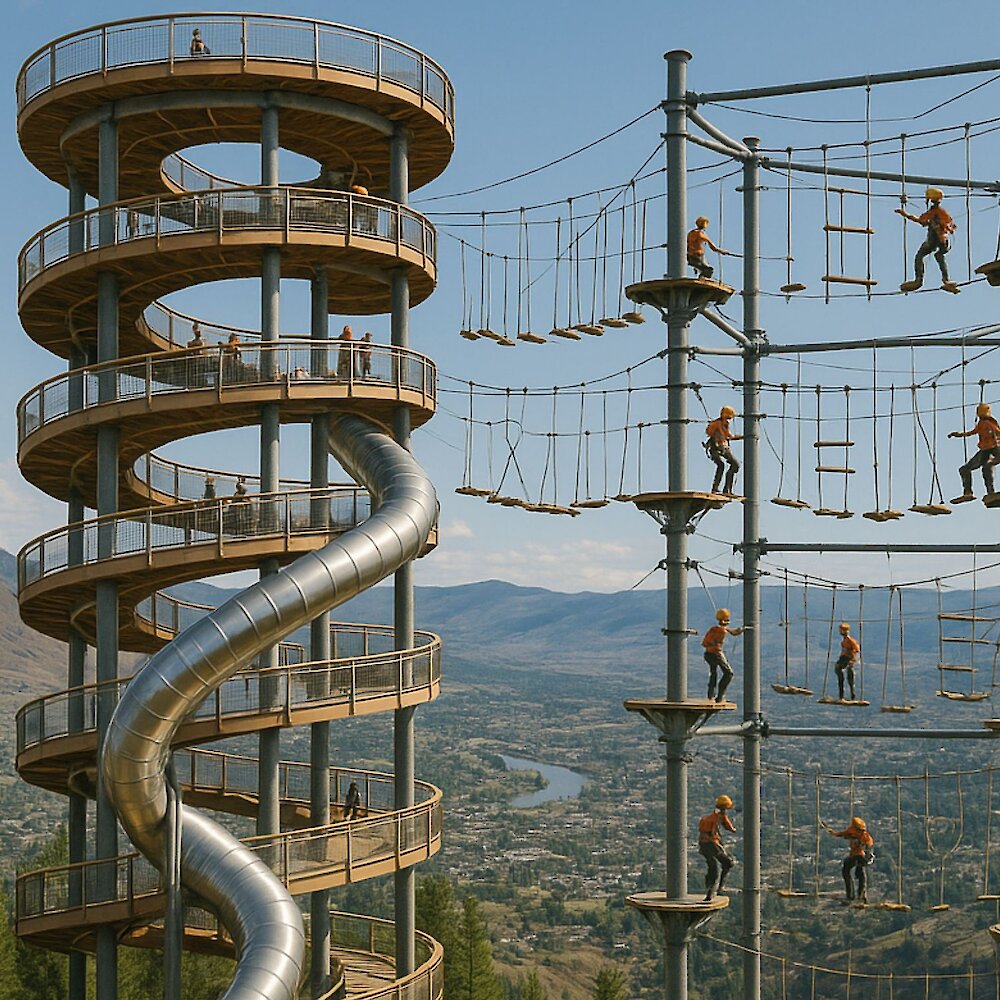
Generated by AI