The Skywalk Model - How Geological Drama + Cultural Partnership Creates Investment-Grade Tourism
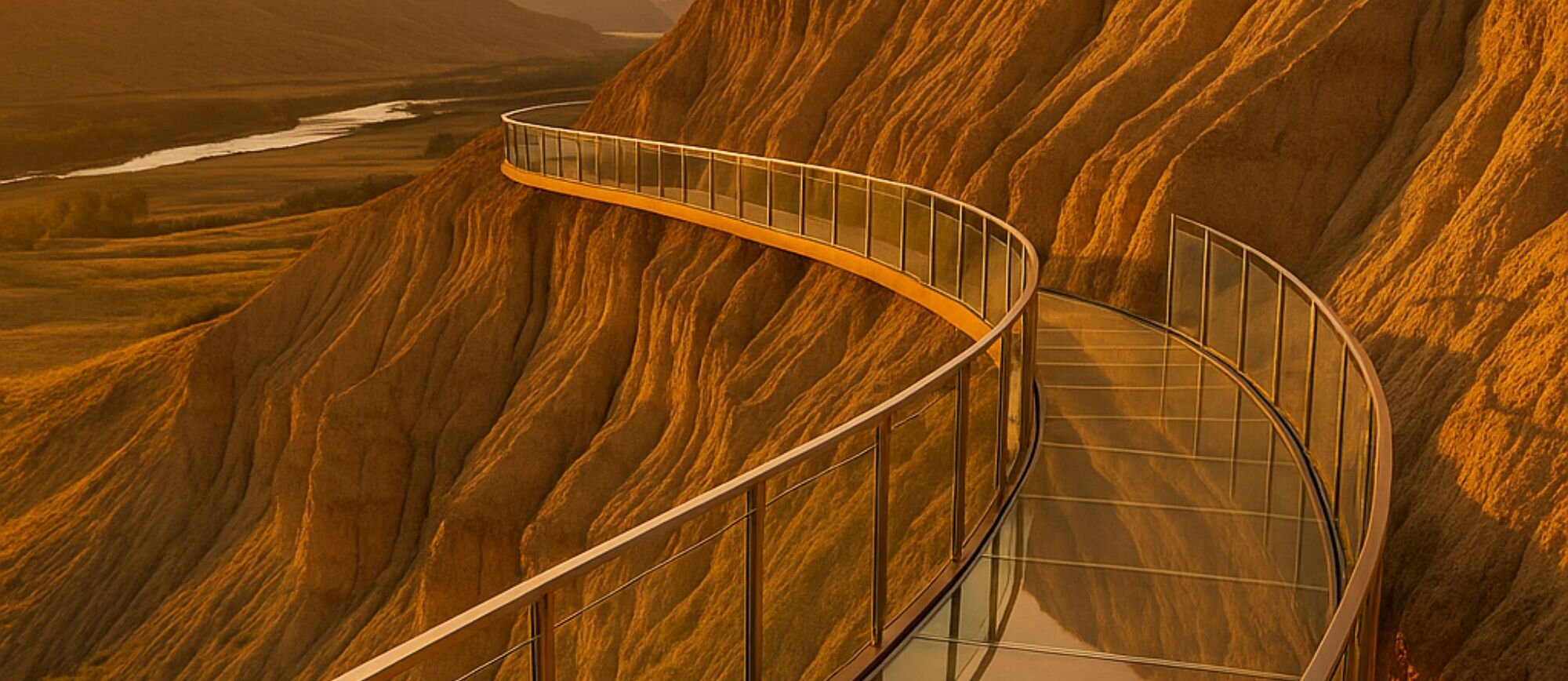
Generated by AI
Standing on nothing
You know that feeling when you step onto a glass floor for the first time? Your brain says you're fine. Your body says you're about to fall. Then you look down and everything goes quiet.
That gut-level reaction is one of the most powerful experiences you can design in tourism. The Grand Canyon Skywalk draws hundreds of thousands of visitors annually because of it. Closer to home, BC has proven the model works: the Malahat Skywalk became a must-stop on Vancouver Island, while the recently opened Squamish Canyon at Mamquam Falls showcases how elevated boardwalks through dramatic landscapes create unforgettable moments. Even Capilano Suspension Bridge, operating for over a century, continues to draw massive crowds for that same feeling. Simple concept, profound impact.
The real magic lives in what's beneath the glass.
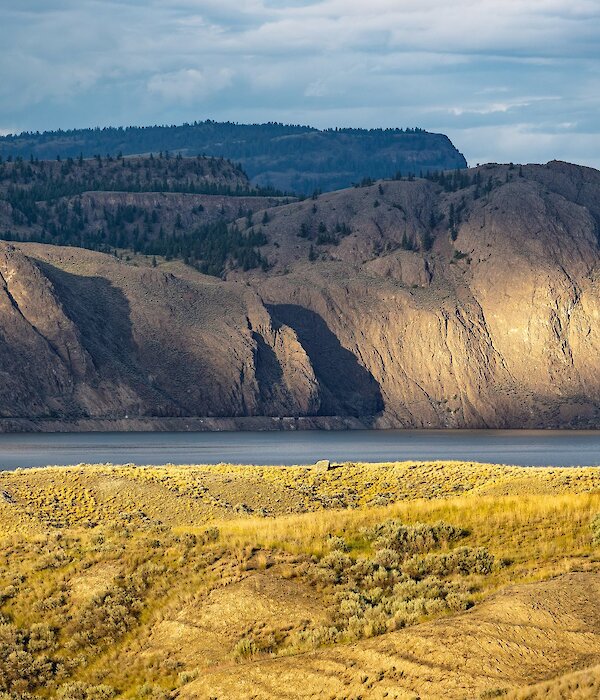
In Kamloops, you're looking down at 10,000 years of geological history. Hoodoos, bluffs, and formations carved by an ancient glacial lake that you won't find anywhere else in Canada.
The landscape that tourism forgot
When people think of Canadian landscapes, they think of the Rockies or coastlines, forests or prairies. The semi-arid interior gets overlooked, dismissed as the scenery you pass through on your way somewhere else. This oversight creates opportunity.
Kamloops sits at the bottom of what used to be a massive glacial lake. When the ice age ended and the lake drained away, it left behind these dramatic silt bluffs and hoodoo formations.. Here's the problem: they're too delicate for regular trail access. Let people get close and you risk damaging formations that took thousands of years to create. Keep everyone at a distance and nobody gets to experience them.
A properly designed skywalk solves this problem. By elevating the viewing platform and creating a boardwalk-style approach, you can bring thousands of people into close proximity with these formations while actually protecting them from erosion and damage. More access, better preservation.
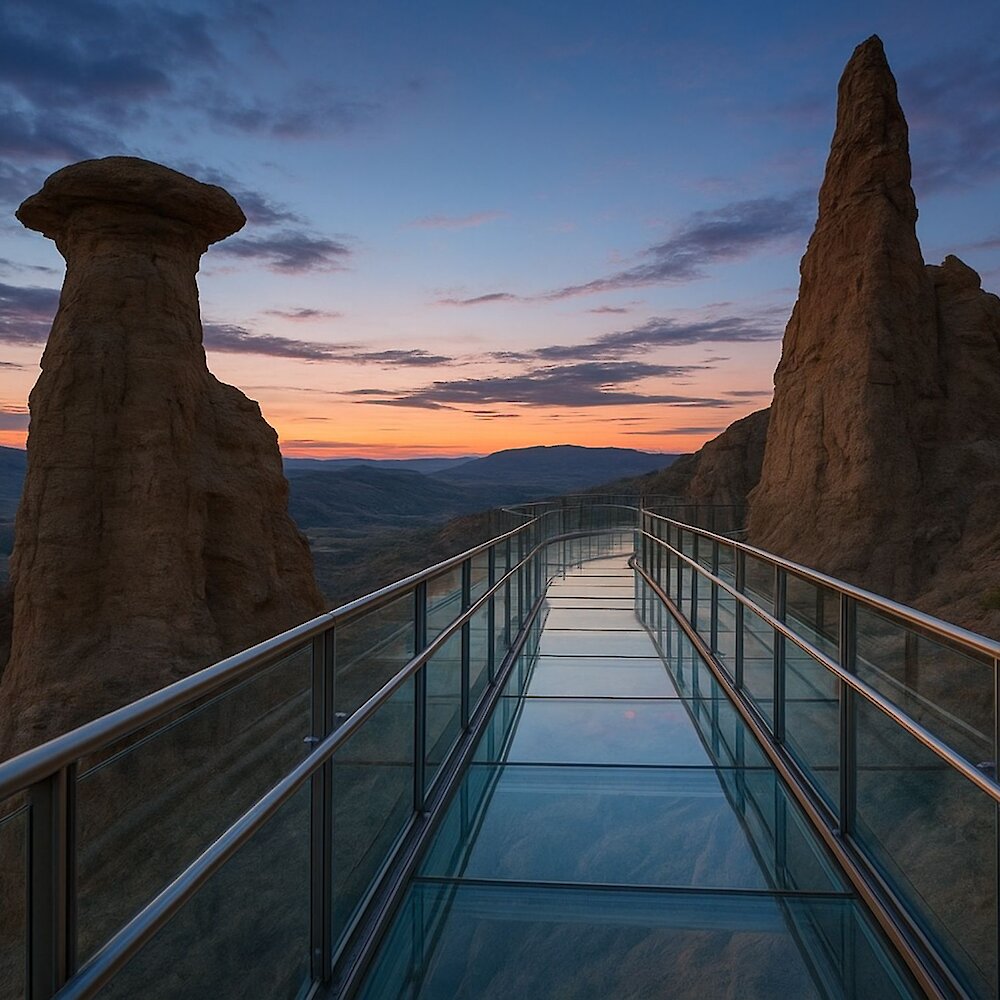
Generated by AI
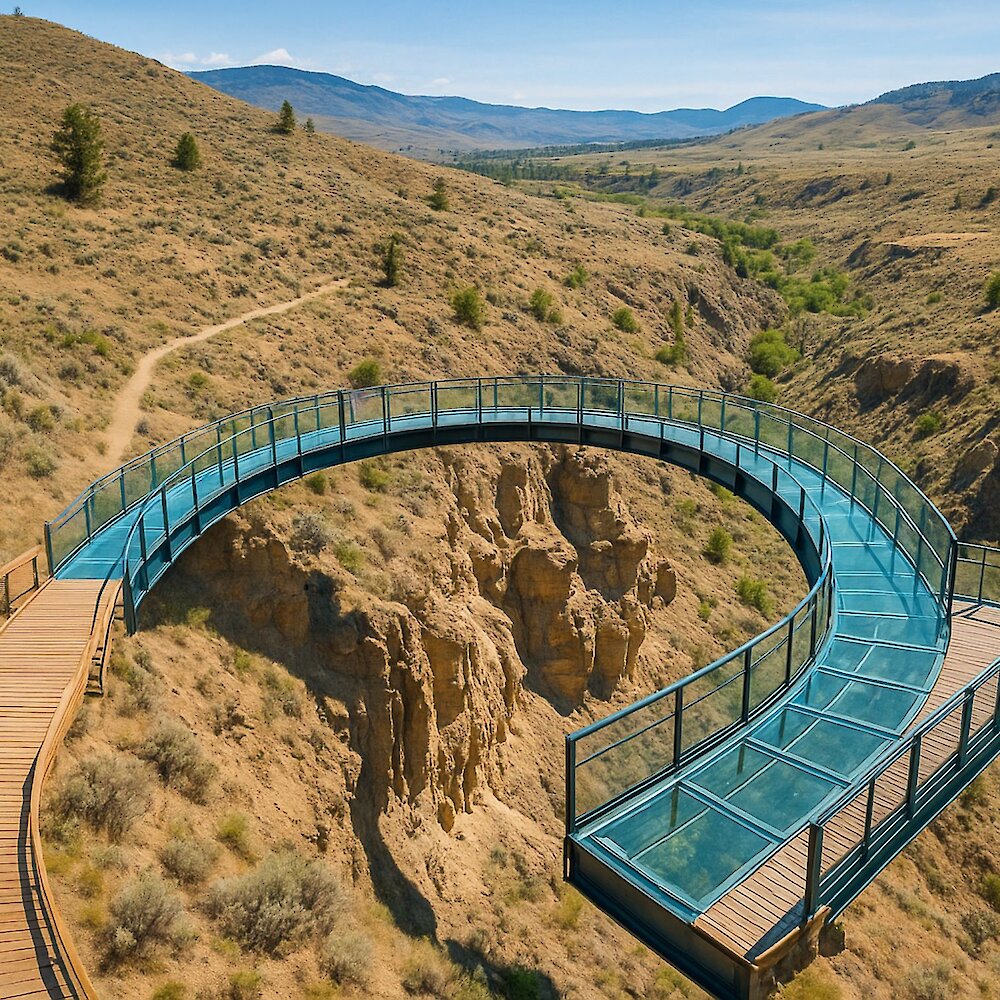
Generated by AI
Partnership as product
From an investment and development perspective, here's where this gets interesting: Tourism Kamloops is developing this project in partnership with Sc.wén̓wen Economic Development Corporation, the business arm of Tk̓emlúps te Secwépemc.
This partnership matters for several reasons. First, Indigenous tourism is one of the fastest-growing segments in the Canadian market, driven by both domestic and international visitors seeking authentic cultural experiences. Second, projects developed in partnership with First Nations have access to funding mechanisms and support structures that purely commercial developments don't. Third, Indigenous partnership brings cultural storytelling and programming that transforms a viewing platform from a photo opportunity into a genuine educational experience.
What we need now are developers and operators who understand how to structure partnerships that respect sovereignty, share revenue equitably, and create long-term value for the community.
The economics of low-impact, high-value tourism
From a pure investment perspective, skywalks are fascinating because they generate significant revenue with relatively low ongoing operational costs and minimal environmental impact. You avoid running ski lifts or maintaining complex mechanical systems. You minimize heating buildings or managing large food service operations. The view is the core product and it requires almost no input costs once built.
The sustainability benefits go beyond operational efficiency. A properly designed skywalk actually protects sensitive landscapes. In Kamloops, elevated boardwalks would preserve fragile hoodoo formations that erode under foot traffic. Instead of restricting access to protect the geology, you're creating sustainable access that lets thousands experience these formations without damaging them. The infrastructure becomes the preservation strategy.
This dual benefit is particularly attractive in an era where sustainability credentials matter to both consumers and investors. ESG-conscious capital is actively seeking tourism projects that demonstrate environmental stewardship alongside financial returns. A skywalk that preserves geological formations while generating strong margins checks both boxes.
The itinerary effect
One of our core strategic challenges in Kamloops is duration. We excel at the 24-hour stopover: sleep here, grab breakfast, keep moving. What we're building toward is 48 to 72-hour itineraries, giving visitors reasons to plan their trip around us rather than through us.
The skywalk is a key piece of this puzzle. It offers something distinct from our other attractions and adds genuine variety to the visitor experience. It suits a broad demographic—you don't need to be an adventure athlete to enjoy it. And because it's likely to be positioned along Highway 1 with easy access, it becomes a convenient addition to any itinerary rather than a difficult-to-reach side trip.
This is where the economics get interesting. The visitor who adds a night to see the skywalk spends way more than just admission. Hotel room. Meals. Gas. Retail. All those extra purchases add up. Keeping visitors around longer is how landmark attractions generate real regional value.
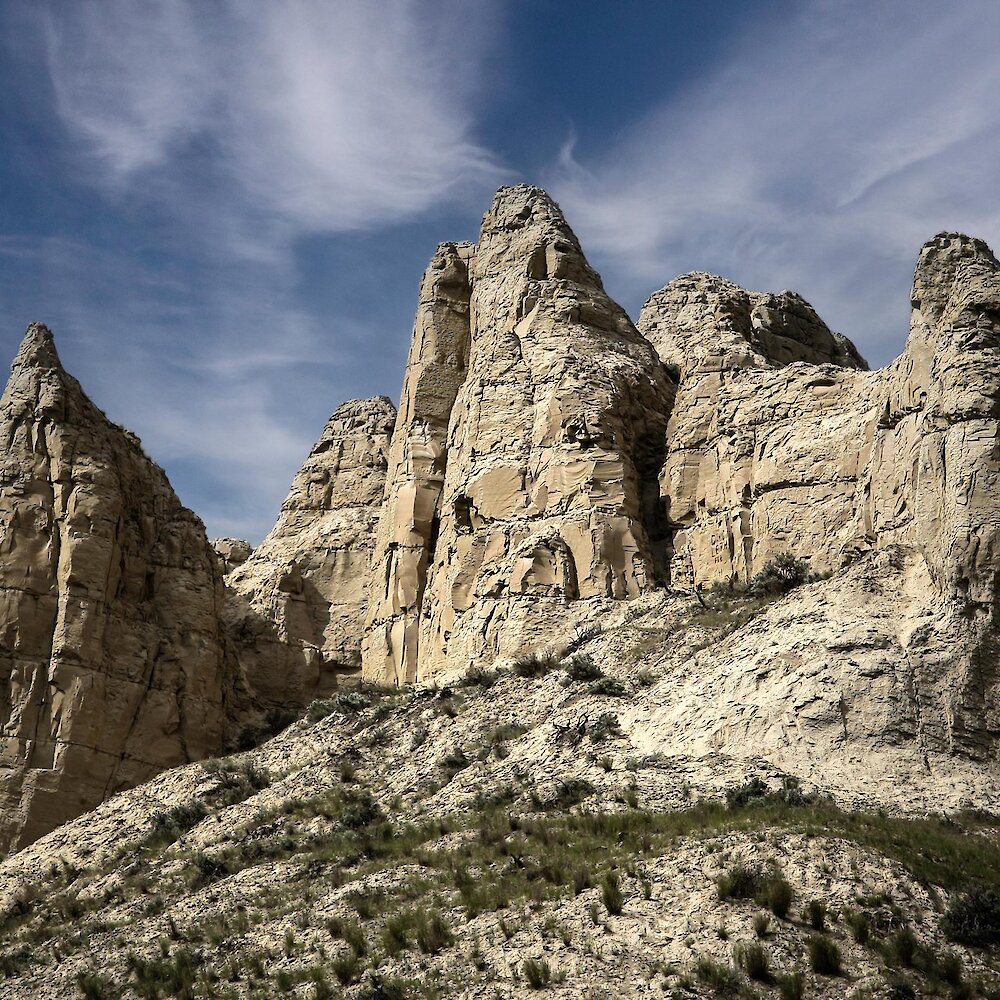
Candace Hansma
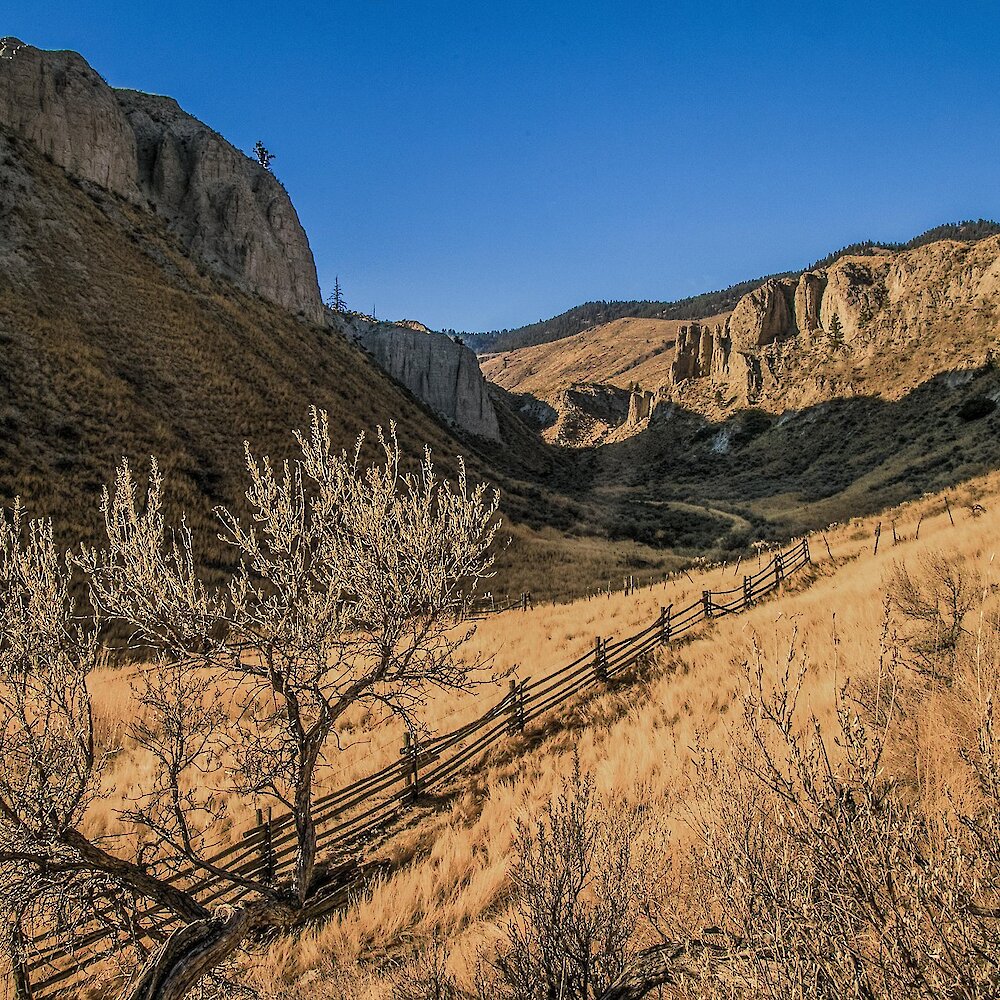
East Shuswap Road
Deborah Kellogg
Time and geology
Building a skywalk over 10,000-year-old formations in a city that hasn't built a landmark in 60 years feels appropriate. Both timelines are about permanence. About creating something that lasts.
The hoodoos survived ice ages and erosion. They'll be standing long after we're gone. Our job is to build something worthy of them. Something that helps people understand deep time and natural drama while protecting these formations for whoever comes next.
A skywalk does that. Now we need partners who see the bigger picture. This isn't just about admission fees. It's about connecting people to place and time in ways that generate value beyond revenue.
The geology has been here 10,000 years. The investment opportunity won't be available that long.