The Trails You Use
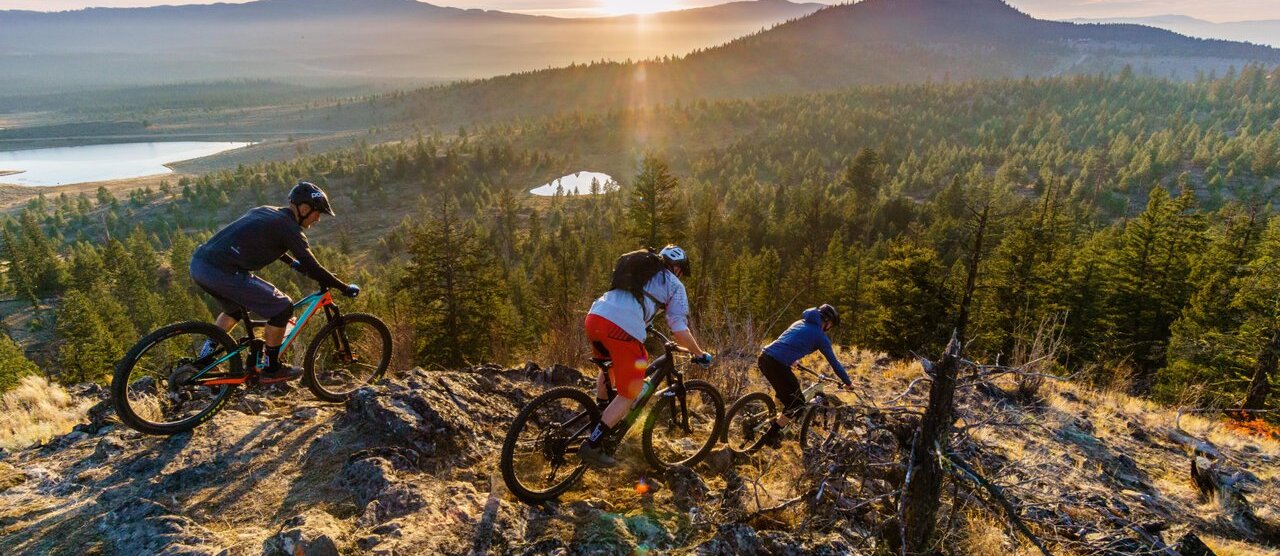
Pineview Recreational Trails
Sean Jenkins
Before Kamloops became a destination for riders from around the world, it was simply a place where locals built trails to ride. That foundation—community-driven, volunteer-led, and deeply personal—still defines the network today.
By Erik Fisher, CEO, Tourism Kamloops
Part 1 of 8 in the "What Tourism Builds For Us" series
Ask most Kamloops residents how they spend a casual morning, and you'll hear something about the trails. A lap at Pineview before work. A hike up Kenna Cartwright with the dog. A pump track session with the kids. The specifics vary, but the pattern is consistent.
That's the thing about trails in Kamloops. They're personal. Everyone has their route, their ritual, their reason for getting out. And almost all of it exists because residents built it.
For decades, local riders have been digging trails, hauling tools up hillsides, and shaping the networks that now stretch across five sanctioned zones throughout the valley. Volunteers have given weekends and evenings to brushing, benching, and maintaining lines that would otherwise disappear into the sagebrush. The city and local trail organizations have invested in infrastructure. Residents have funded it through taxes, memberships, and sweat equity.
That work created a remarkable culture that encourages Kamloops riders to both use trails and to take care of them. They show up for dig days. They teach their kids to ride the same lines they learned on. The trails are woven into how this community lives, and that connection runs deep.
Over time, that culture attracted attention. Riders from across the country and around the world started coming to Kamloops to experience what locals had built. The reputation of this city as the birthplace of freeride didn't come from a tourism office. It came from the riders who pioneered it and the community that maintained it.
Today, visitors account for roughly 38% of the rider days logged on Kamloops trails. They arrive, they ride, and they spend money in the community. Hotels, restaurants, bike shops, cafés. That spending matters. It supports local businesses and generates tax revenue that flows back into public services.
Trail usage from locals and visitors is growing. More riders mean more wear. Erosion after big storms, brake bumps on popular lines, and signage that hasn't kept up with new trail development. The volunteer base and municipal investment that got us here are still doing the heavy lifting, but the demand on these networks is outpacing what existing funding can cover.
That's why we created the Freeride Fund.
The Freeride Fund aims to channel visitor spending directly back into the trails. Micro-donations at accommodation checkout, corporate contributions from bike brands and local businesses, and seed funding from Tourism Kamloops that helps leverage grants and partner dollars. The goal is to add a layer that comes specifically from visitor activity, on top of what residents and the city already invest.
Trail stewardship. Drainage fixes. Better wayfinding for first-time riders who don't know the networks the way locals do. Inclusivity projects that make the trails accessible to more people.
What makes this community different is the number of people who treat the trails like something they own collectively. Dig days fill up. Parents bring their kids to volunteer. Riders who moved here from somewhere else join trail associations within a season. That's not marketing. That's culture, and it took decades to build.
I think of the fund as closing a loop. Residents build and maintain the trails. Visitors come and enjoy them. The Freeride Fund takes some of what visitors spend and puts it back into the ground, literally, so the trails stay in the condition this community expects.
The trails belong to this community. They always have. We want to make sure they stay that way and maintain a priority in the years to come.