What Belongs Here? Lessons in Destination Development from IAAPA
Mitchell Forgie
What does destination development actually mean, and how do we build experiences that make people want to visit, stay longer and come back?
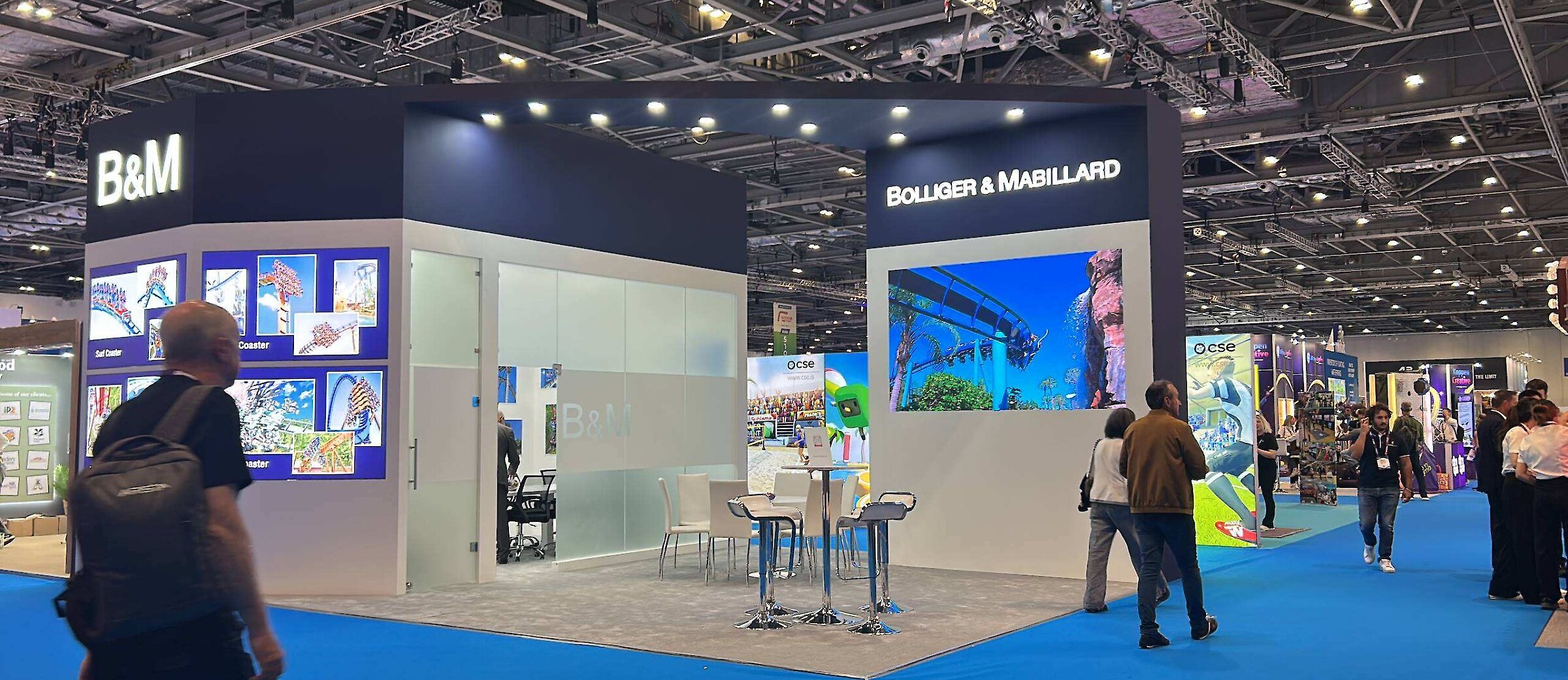
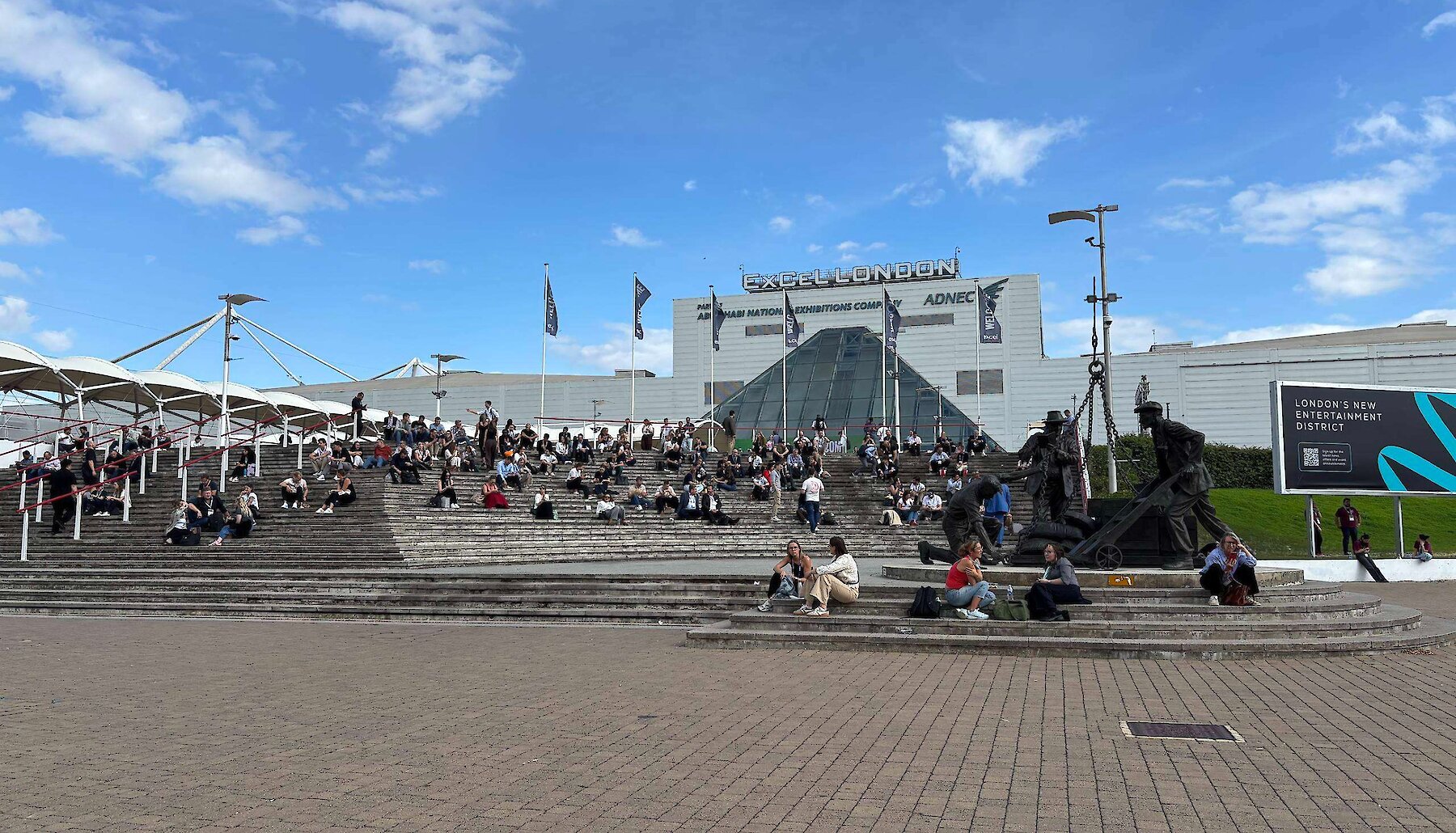
Those were some of the questions I took with me to IAAPA, the International Association of Amusement Parks and Attractions, in the UK. Representing everything from national parks and zoos to waterparks, stadiums and family entertainment centres, IAAPA offered an opportunity to learn from international leaders, build our internal expertise and better understand how investors and developers approach destination development.
One of my original goals was to explore what it would take to bring a waterslide back to Kamloops. I also connected with Bernd Bayerköhler, CEO of Treetop Walks, an international attraction developer and investor who had seen our Iconic Structure Project lookbooks. These conversations helped me better understand what developers look for when considering new opportunities.
But some of the most valuable takeaways came from the conference itself, particularly around how destinations create experiences that encourage visitors to stay longer, explore more and see a place as more than a single attraction.
Destination Development Starts with the Right Question
“Don’t ask what we can build. Ask what belongs here? What could be only here?”
This is how Hero Experiences Group’s Chief Strategist, Travis Klein, kicked off one of his lectures at IAAPA. Hero Experiences Group is working on destination developments in Saudi Arabia, including balloon flights over AlUla’s spectacular sandstone formations. But the experience doesn't stop with the attraction itself. How do restaurants and hotels contribute to a sense of place? How do public spaces support local businesses? How do visitors move seamlessly between experiences?
For Kamloops, this means looking beyond what we can build and considering what makes our destination distinct. Our landscapes, local businesses, events and experiences all have a role to play in answering the question: what can visitors find here that they can't find anywhere else?
Mitchell Forgie
Attractions Bring People In. The Ecosystem Keeps Them There
Another key takeaway came from international mall operators, including Westfield, who explored the changing role of retail. Historically, retail was the main draw, but when they realized they were losing customers when they were hungry, they built food courts to keep shoppers around longer. Events, like Christmas time, were considered goodwill projects.
Today the script has flipped completely. Attractions and events are major drivers of visitation; food and beverage needs to be an experience in its own right, and retail becomes part of the supporting ecosystem. The attraction might get someone through the door, but the surrounding experiences give them a reason to stay.
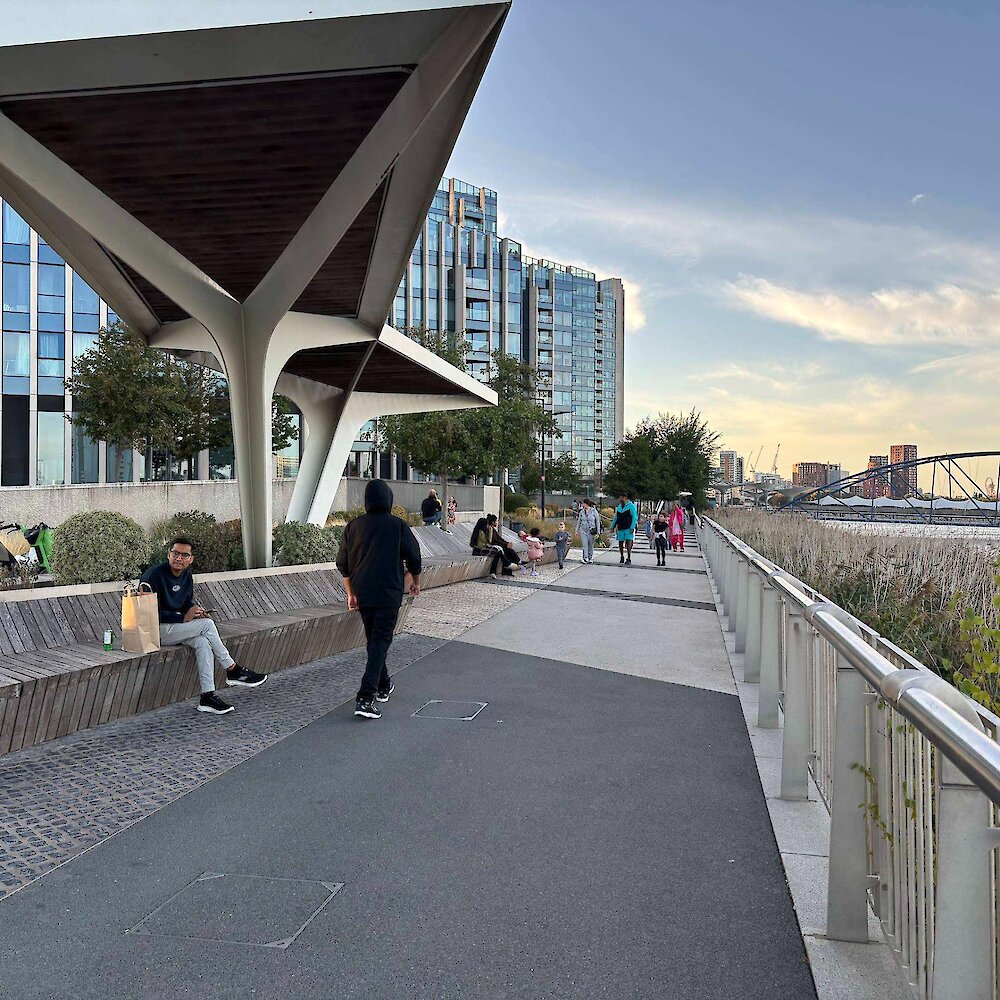
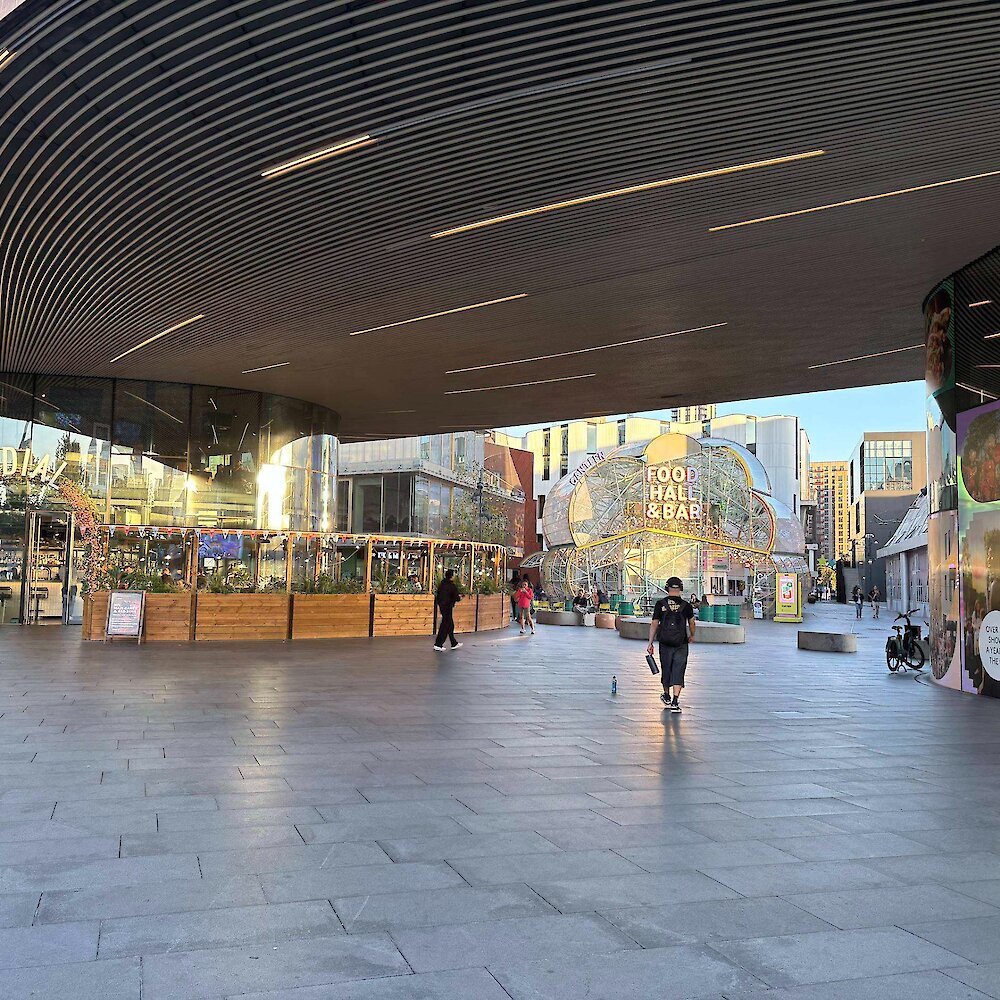
This speaks directly to one of Kamloops' biggest challenges as a destination: once people get in their car, they are gone. If our attractions are separated from our hotels, which are separated from our restaurants and other experiences, visitors may never experience a connected sense of place. They come for one reason, visit that one location and leave without discovering what else the community has to offer. Places like District 1881 in Chilliwack and the waterfront in Harrison Hot Springs demonstrate the value of creating environments where people can park their cars, get out and experience multiple things within the same area. Dining, shopping, public spaces and other attractions work together to create somewhere people want to spend time.
For Kamloops, this means thinking about how downtown, the North Shore and other visitor areas can better connect their individual offerings. A visitor might come for a mountain biking trip, an event or a particular attraction, but their overall experience is ultimately shaped by where they eat, where they stay and what else they discover along the way. When these experiences all connect, visitors have more reasons to explore beyond their original plans, spending time in our local businesses and extending their stay. Walkable areas, accessible public spaces and a variety of complementary experiences can help make those connections easier. The goal is to create an ecosystem where visitors don't just experience an attraction. They experience Kamloops.
Mitchell Forgie
Mitchell Forgie
Turning Ideas into Investment Opportunities
Creating a compelling destination is one part of the equation. Making it possible for someone to invest in that vision is another. One analogy from IAAPA that stuck with me was the idea that successful pirates understood the fundamentals of destination investment. Someone financed the ship, someone assembled the crew, someone navigated the risk, and everyone expected a share of the treasure. In many ways, it was an early form of a public-private partnership, with different people bringing resources and expertise to a shared opportunity.
The same fundamentals apply to destination development today. Investors need to understand whether a business is legally possible, whether there is a clear permitting pathway and whether enough demand exists for customers to pay for the experience. They need to see a realistic opportunity, not just an exciting concept.
Our role as destination developers is to help answer those questions, identify barriers and reduce the uncertainty that can prevent an otherwise promising business from getting off the ground.
When we can demonstrate feasibility, a path forward and real demand, we're presenting an investment opportunity, not just a concept. Without those answers, we're asking investors to finance uncertainty. That distinction matters when considering what Kamloops can attract, develop and support.
What Does This Mean for Kamloops?
Destination development isn't the responsibility of one business or one organization. It takes an ecosystem of experiences that work together to make a place worth visiting, while creating the conditions for new investment to happen.
For Kamloops, that means considering how downtown and the North Shore can better connect dining, retail, events, attractions and public spaces. It also means recognizing the role every tourism business plays in shaping the visitor experience and giving people more reasons to stay. Attending IAAPA was about more than exploring potential attractions or making international connections. It was about building the knowledge to have informed conversations with investors and developers, understand their constraints and identify opportunities that make sense for Kamloops.
For our industry partners, the opportunity is to think beyond individual offerings and consider how they contribute to the bigger picture. How can we make it easier for visitors to move between experiences? What gaps are keeping people from staying longer? What can we do to make investment more achievable?
Ultimately, destination development isn't just about building something new. It's about making the most of what belongs here, connecting the experiences we already have and creating the conditions for new opportunities to thrive. When those pieces work together, we give people more reasons to stay, explore and connect with Kamloops.
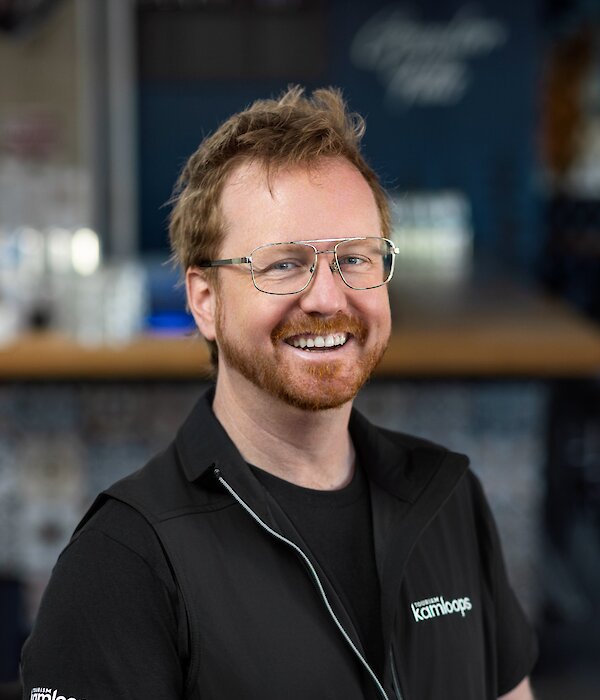
Author: Mitchell Forgie
Mitchell leads destination development, from placemaking initiatives to implementing projects and strategies that improve infrastructure and experiences for visitors.