What If Tourism Is Really About Building a Better Place to Live?
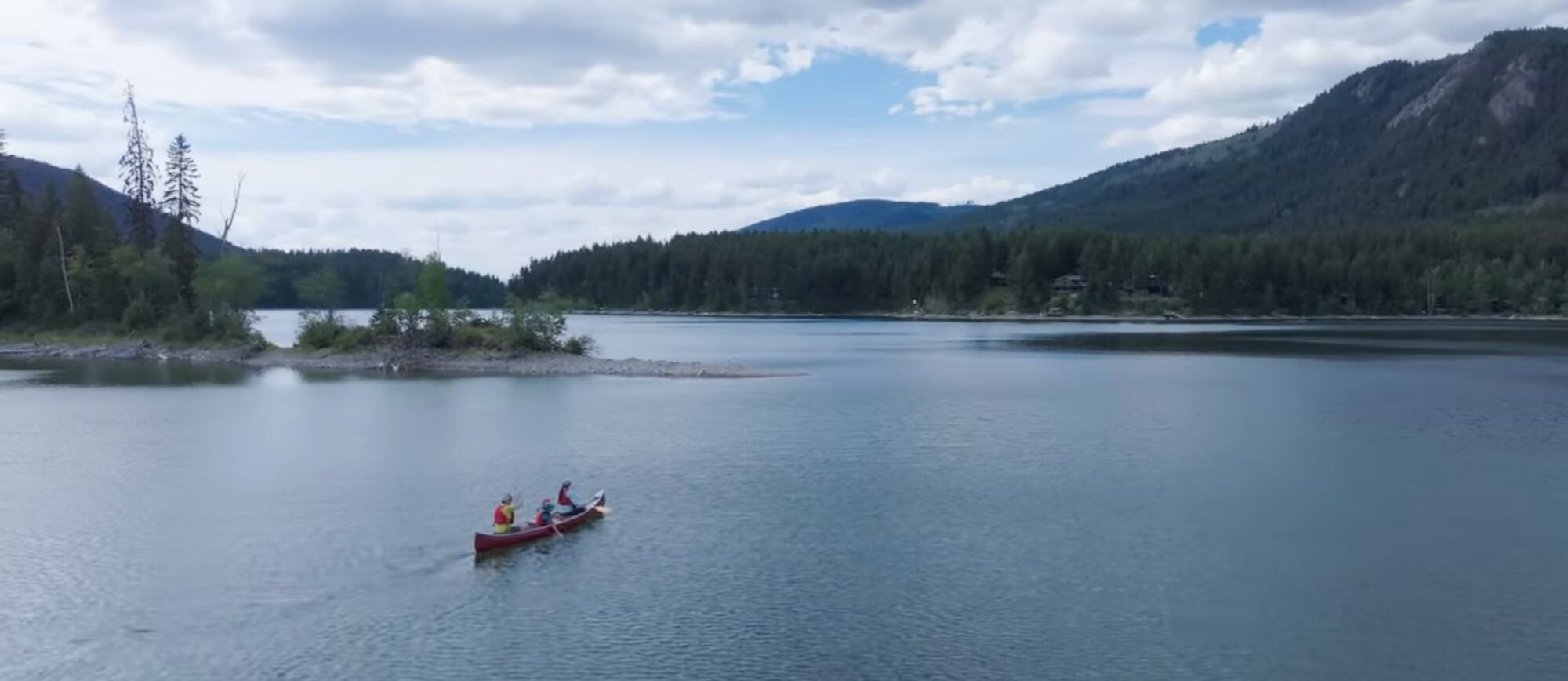
When we talk about tourism in industry circles, the conversation usually centres around hotel occupancy, weekend visitor counts and dining revenues. But those metrics only tell one part of the story. While these indicators matter, they don't capture the full impact tourism can have on a community. At its core, tourism is placemaking in action.
Tourism Is Placemaking
The same amenities designed to attract visitors, from well-maintained mountain biking trails and winter skating rinks to arts and culture facilities, are also what can transform a city from somewhere people want to visit into somewhere they can genuinely see themselves building a life. For communities that are competing to attract working professionals they need, livability is a competitive advantage. Entrepreneurs, healthcare professionals, educators and other essential workers are not just simply choosing a place to work anymore. They are choosing a place to live, build relationships and put down roots. Investing in destination development and civic infrastructure helps create the quality of life that attracts this talent. In an era where skilled professionals have more of a choice than ever about where they build their lives, workforce recruitment is no longer simply about the availability of a career opportunity. It is also about what life looks like outside of work.
What Are You Doing After Work?
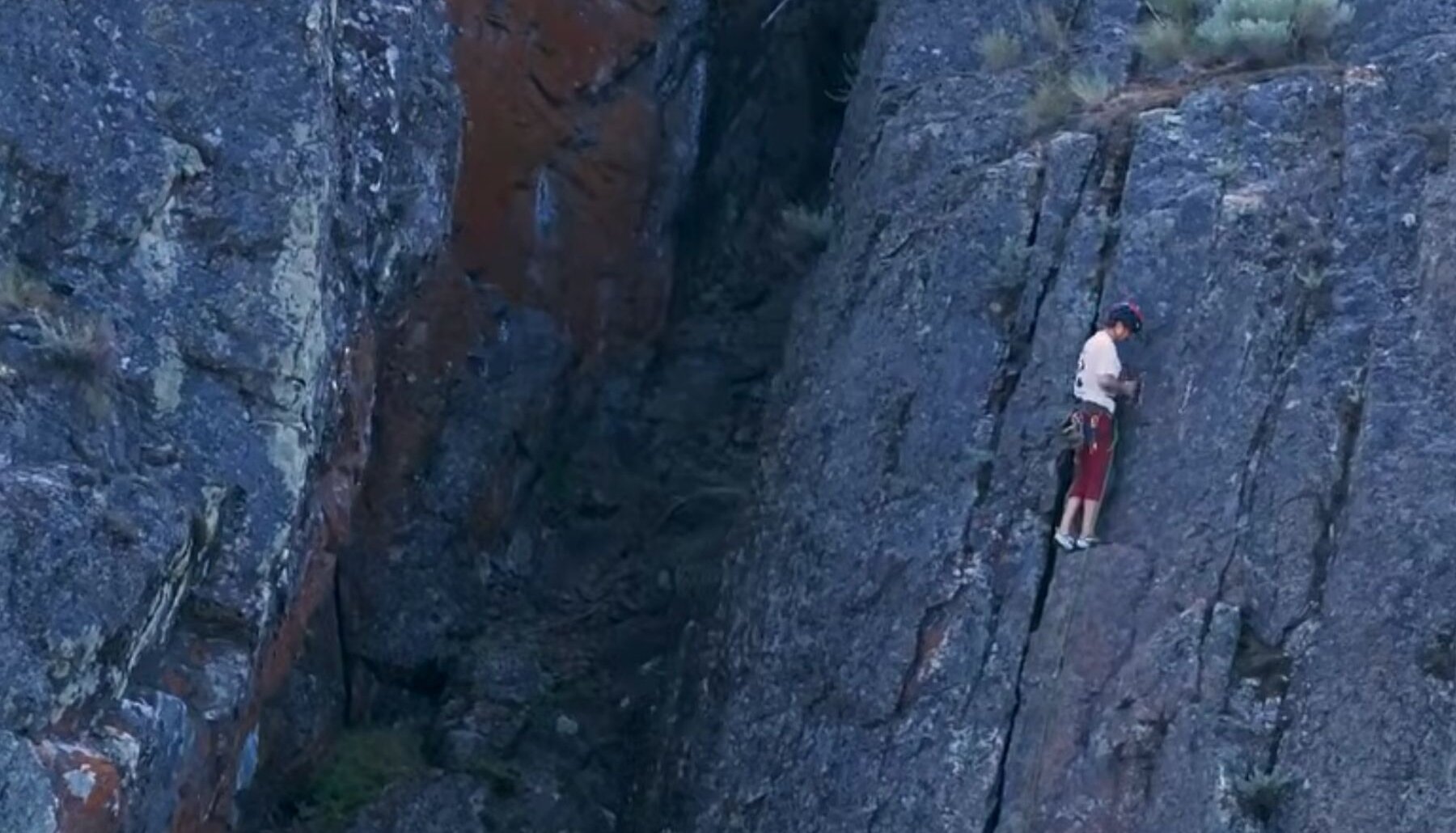
In Kamloops, that story is closely tied to the ease and accessibility of everyday life. Local ICU physician Dr. Paul Campsall, who has lived in Kamloops for a decade, noted that moving here fundamentally changes your daily mindset. Instead of asking, "What are you doing this weekend?" the question becomes, "What are you doing after work?" Without hours of traffic and long commutes, you have more time to make plans, get outside, and enjoy the community. That accessibility extends well beyond the workday. Emergency physician Dr. Johnny Niedescribes Kamloops as having virtually "no off season," with opportunities for outdoor recreation all throughout the year. Day-trip rock climbing and world class skiing at Sun Peaks, just a 45-minute drive away, make it possible to fit recreation into an ordinary work week rather than saving it for your already jam-packed weekend. Hospitalist Harpreet Kelly, who moved to Kamloops about 12 years ago for residency and ultimately chose to stay, similarly points to the ease of accessing hiking, biking, cross-country skiing and local parks. These are the everyday experiences that turn the idea of livability into something more tangible.

Built for Visitors. Better for Locals.
Destination marketing organizations such as Tourism Kamloops do more than just market a region. They help shape the experiences, amenities and infrastructure that make a destination compelling in the first place. Initiatives like Tourism Kamloops' Freeride Fund, which reinvests tourism revenue into maintaining and improving local mountain bike trails, is just one example of how tourism investment can directly improve residents' quality of life. As Dr. Rémy Wong, who relocated to Kamloops from Minnesota, puts it, "tourism is really important to make the city vibrant." The activities and amenities that give visitors a reason to come are often the same things that give residents a reason to stay. That can be as simple as family programs at the Tournament Capital Centre (TCC), a winter skate at the Riverside Park outdoor rink, or an afternoon spent on the trails with friends. Those everyday opportunities also help shape the culture of a community. Dr. Kelly describes Kamloops' active lifestyle as a form of "positive peer pressure," where seeing friends and neighbours getting outside and participating in the community creates its own momentum. The result is a community where being active, connected and engaged becomes part of everyday life.
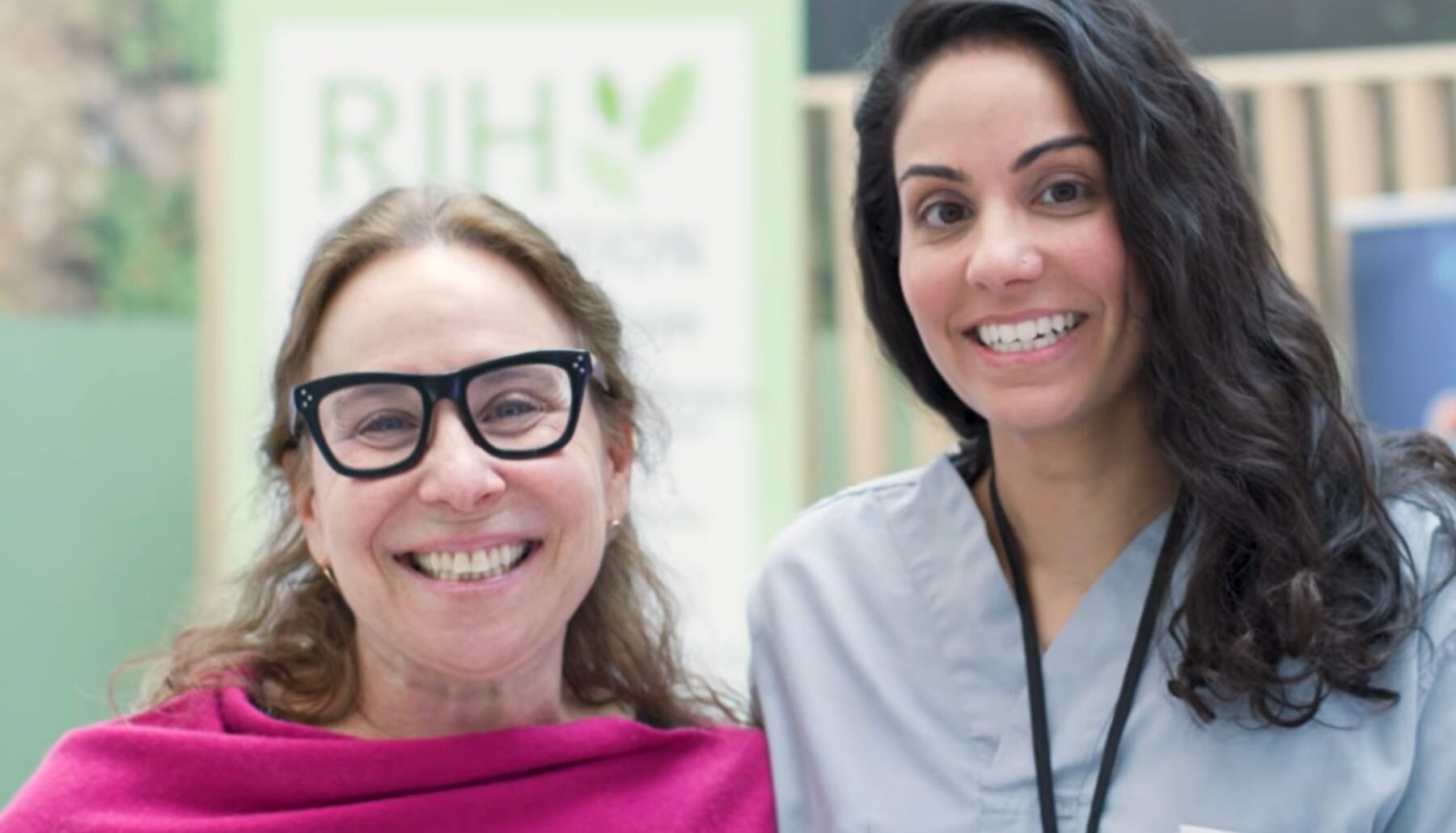
Investing in the Places That Bring Us Together
The same principle applies to larger investments. Planned arena facilities, expanded trail networks, outdoor rinks, and cultural anchors such as Western Canada Theatre and the new Kamloops Centre for the Arts can serve as vibrant community hubs while also signalling something important to prospective residents: this is a community that is investing in its future. Dr. Wong captures the connection between individual and community wellbeing simply: "you can't really have your health if you don't have community health." That idea extends beyond healthcare. A strong community is built through the places, experiences and connections that allow people to build and live full lives outside of work.
Give People a Reason to Stay
For a prospective physician, entrepreneur, educator or young family, the next recreation facility, cultural venue or trail expansion may seem like a small piece of the picture. But collectively these investments tell a much bigger story about what life in a community can look like. Destination development is not an isolated sector, it is a part of the broader ecosystem that helps communities attract people, create connection and give them reasons to stay.